Select an asset
Please tell us about your request. We'll get in touch with you and prepare a personalized proposal.


Подписывайтесь на нас в социальных сетях


We find and develop autonomous multifunctional properties in Latin America, create new income streams, implement professional management, and increase their investment appeal and value.
agriculture
We find and develop autonomous multifunctional properties in Latin America, create new income streams, implement professional management, and increase their investment appeal and value.
livestock farming
Real assets for capital preservation
in a changing world
ecotourism
Real assets for capital preservation
in a changing world
hotel industry
winemaking
construction



In the second scenario, the process begins with identifying and acquiring an off-market asset directly from the owner, often under local terms that are not available to international buyers. Next, we establish an ownership structure, develop a growth plan, add new revenue streams, implement professional management, and set up operational reporting. After that, the asset is brought to the international market as a transparent, multifunctional, and scalable business.
This website showcases only a small portion of Land Capital’s portfolio—select properties from various sectors that illustrate the focus of our work. Investors can choose a ready-to-go asset with a clear ownership structure, business model, and proven financial performance, or join us in the process of creating additional value.
How We Work
Development
and management
and management
We create new income streams, implement professional management, and increase the asset's investment value.
Structuring and residency
We build international ownership structures and select individual residency solutions tailored to the investor's goals.
Deal support
We conduct due diligence on the property and coordinate legal processing, negotiations, and deal support at all key stages.
We have lived and worked in Latin America since 2014, relying on a trusted local network and in-depth market knowledge.
Local expertise
We invite private investors, family offices, and funds to acquire a ready-made asset or to create its value together with Land Capital — from sourcing and structuring to development, management, and entry into the international market.
Our international team combines local expertise in Latin America, Swiss structuring standards, and international entrepreneurial experience.
Land Capital selects and creates antifragile multifunctional properties. We combine land, water, agriculture, livestock farming, tourism, rental income, and other revenue sources so that the asset can perform under different scenarios.
Our international team combines local expertise in Latin America, Swiss structuring standards, and international entrepreneurial experience.
Land Capital selects and creates antifragile multifunctional properties. We combine land, water, agriculture, livestock farming, tourism, rental income, and other revenue sources so that the asset can perform under different scenarios.
LAND CAPITAL — real assets
for a world of growing uncertainty
We solve the main barrier for investors — operational management: we form the concept, build the team, implement financial control, and develop the property without the owner's daily involvement.
Geopolitical tension is changing the logic of capital preservation. More and more investors are looking for assets in countries far from major conflict zones, with large territories, natural resources, and a strong food base.
LAND CAPITAL — real assets
for a world of growing uncertainty
We invite private investors, family offices, and funds to acquire a ready-made asset or to create its value together with Land Capital — from sourcing and structuring to development, management, and entry into the international market.
Most of our work is conducted on a one-on-one basis: once we understand the investor’s objectives, we select 2–3 properties from our comprehensive database, including off-market listings.
Most of our work is conducted on a one-on-one basis:
once we understand the investor’s objectives, we select 2–3 properties from our comprehensive database, including off-market listings.
once we understand the investor’s objectives, we select 2–3 properties from our comprehensive database, including off-market listings.
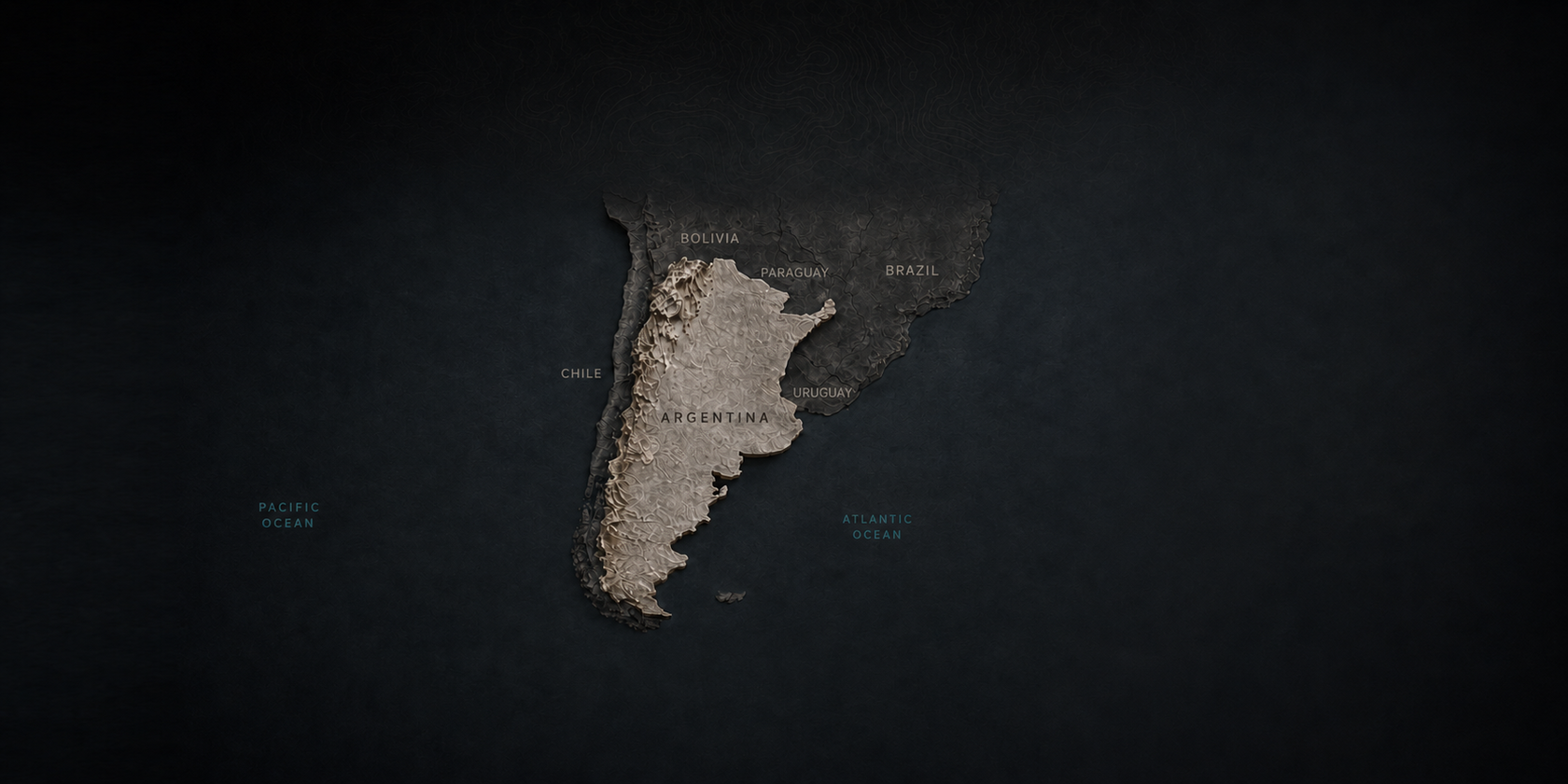
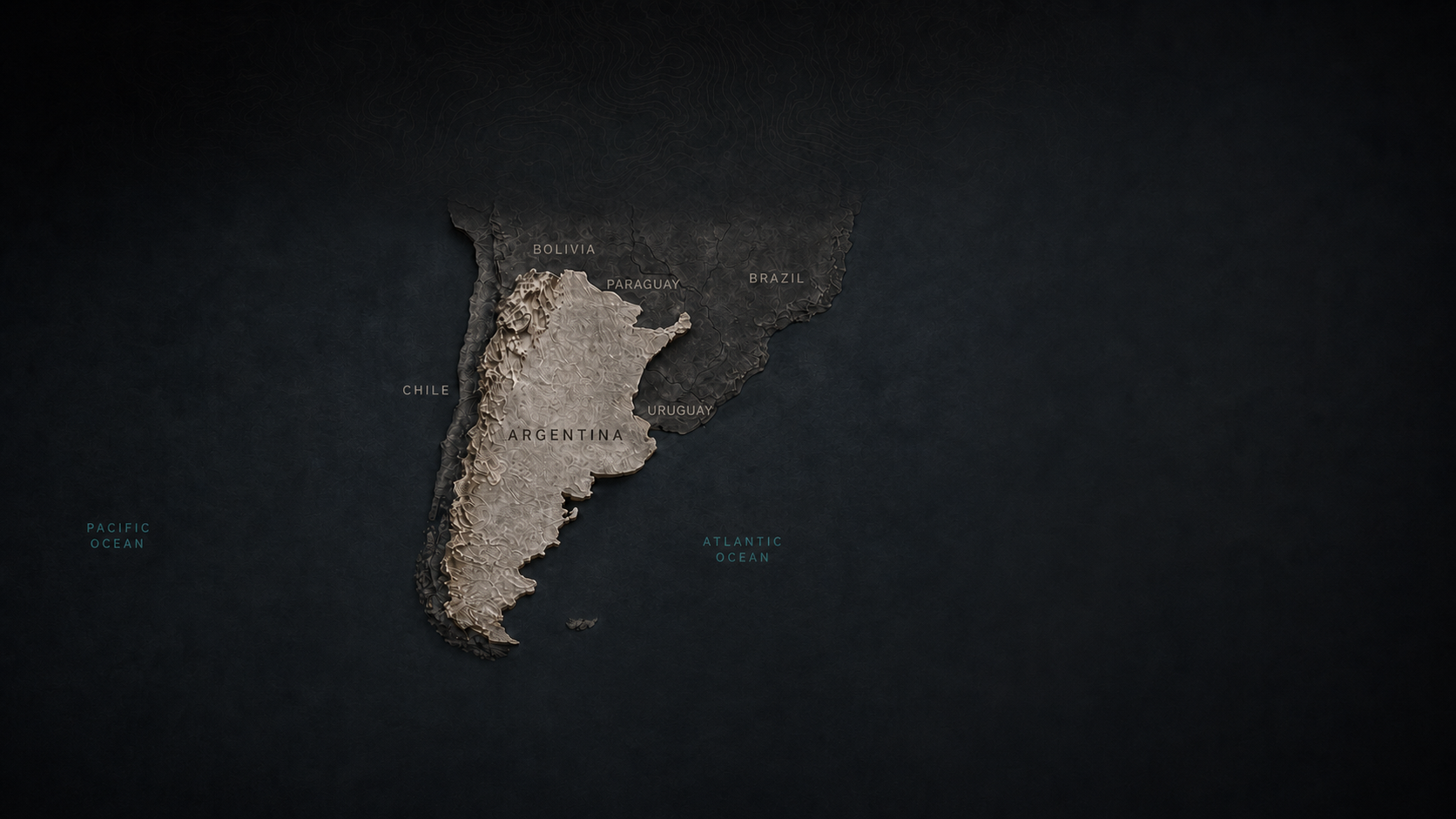
The map highlights select properties from our portfolio—examples of various regions, property types, and investment scenarios available on the market.
Investments in Unique Locations in Latin America
Investments in Unique Locations in Latin America
1 800 000 USD
2 200 000 USD
A fishing lodge for 9 guests in the province of Santa Cruz. A 10,000-hectare property located near Perito Moreno National Park, lakes, and a lagoon. A fully self-sufficient property with potential for sheep farming.
Fishing Lodge
Area
10,000 ha



Change Country
Selected Country
Argentina


Most of our work is conducted on a one-on-one basis:
once we understand the investor’s objectives, we select 2–3 properties from our comprehensive database, including off-market listings.
once we understand the investor’s objectives, we select 2–3 properties from our comprehensive database, including off-market listings.
The map highlights select properties from our portfolio—examples of various regions, property types, and investment scenarios available on the market.
Investments in Unique Locations in Latin America
Most of our work is conducted on a one-on-one basis: once we understand the investor’s objectives, we select 2–3 properties from our comprehensive database, including off-market listings.
1 950 000 USD
Change Country
Selected Country
Argentina
Bariloche. Total area: 1,100 sq. m Located 21 km from Bariloche Airport. Built in 2002, fully renovated in 2021. The hotel features 13 rooms, a swimming pool, two saunas, a lounge, and a spa. A turnkey hospitality asset set in a natural environment with stable tourist demand.
Bariloche. Total area: 1,100 sq. m Located 21 km from Bariloche Airport. Built in 2002, fully renovated in 2021. The hotel features 13 rooms, a swimming pool, two saunas, a lounge, and a spa. A turnkey hospitality asset set in a natural environment with stable tourist demand.
Countryside Hotel
Area
1,100 sq. m
Most of our work is conducted on a one-on-one basis:
once we understand the investor’s objectives, we select 2–3 properties from our comprehensive database, including off-market listings.
once we understand the investor’s objectives, we select 2–3 properties from our comprehensive database, including off-market listings.
The map highlights select properties from our portfolio—examples of various regions, property types, and investment scenarios available on the market.
Investments in Unique Locations in Latin America
Most of our work is conducted on a one-on-one basis: once we understand the investor’s objectives, we select 2–3 properties from our comprehensive database, including off-market listings.
3 200 000 USD
Change Country
Selected Country
Argentina
The property is located on the Seven Lakes Road, between two lakes. It is 60 km from Bariloche Airport and 85 km from San Martín de Luz-Anbers. The 3-hectare lot is ideal for year-round recreation and hosting guests.
A complex of four cottages
Area
3 hectares
Most of our work is conducted on a one-on-one basis:
once we understand the investor’s objectives, we select 2–3 properties from our comprehensive database, including off-market listings.
once we understand the investor’s objectives, we select 2–3 properties from our comprehensive database, including off-market listings.
The map highlights select properties from our portfolio—examples of various regions, property types, and investment scenarios available on the market.
Investments in Unique Locations in Latin America
Most of our work is conducted on a one-on-one basis: once we understand the investor’s objectives, we select 2–3 properties from our comprehensive database, including off-market listings.
2 700 000 USD
Change Country
Selected Country
Argentina
A 41,993-hectare landholding with 36 km of shoreline on Lake Cardiel. Located 207 km from El Calafate Airport. Includes farm buildings, livestock operations, fishing opportunities, and strong potential for ecotourism development.
Lakefront Ranch
Area
41 993 ha
Most of our work is conducted on a one-on-one basis:
once we understand the investor’s objectives, we select 2–3 properties from our comprehensive database, including off-market listings.
once we understand the investor’s objectives, we select 2–3 properties from our comprehensive database, including off-market listings.
The map highlights select properties from our portfolio—examples of various regions, property types, and investment scenarios available on the market.
Investments in Unique Locations in Latin America
Most of our work is conducted on a one-on-one basis: once we understand the investor’s objectives, we select 2–3 properties from our comprehensive database, including off-market listings.
On request
Change Country
Selected Country
Argentina
A 11,615-hectare land asset near a national park. Features glaciers, mountainous terrain, and rich biodiversity. The area offers strong potential for ski resort development and large-scale ecotourism projects.
Unique Land Plot with Glacier
Area
11,615 ha
Most of our work is conducted on a one-on-one basis:
once we understand the investor’s objectives, we select 2–3 properties from our comprehensive database, including off-market listings.
once we understand the investor’s objectives, we select 2–3 properties from our comprehensive database, including off-market listings.
The map highlights select properties from our portfolio—examples of various regions, property types, and investment scenarios available on the market.
Investments in Unique Locations in Latin America
Most of our work is conducted on a one-on-one basis: once we understand the investor’s objectives, we select 2–3 properties from our comprehensive database, including off-market listings.
10 000 000 USD
Change Country
Selected Country
Argentina
A fully operational and well-equipped sheep farm on the shore of a lake. It covers an area of 20,000 hectares and features well-established operations and infrastructure. A self-sustaining agricultural asset with a sustainable revenue model and potential for scaling up.
Sheep Farm on the Lake
Area
20,000 ha
Our broad range of interests, international team, and connections across Latin America help our partners naturally settle into a new environment, meet kindred spirits, and become part of a life where business, travel, friendship, and vivid passions complement one another. With us, you will certainly never be bored!
We ourselves live and work in the region, and together with our partners we continue exploring it: we go on joint expeditions and fishing trips, take motorcycle tours, ski in the mountains, learn to play polo and golf, and get to know wineries, local cuisine, and the culture of different countries.
Latin America is not only about investment,
but also a rich life amid fantastic nature, interesting people, and new experiences
Latin America is not only about investment,
but also a rich life amid fantastic nature, interesting people, and new experiences
In the fragmented Latin American market, strong assets are often only partially utilized and valued well below their potential level. Land Capital finds such opportunities, organizes the acquisition, creates additional value, and turns a local property into a transparent, managed business that is understandable to the international investor.
From a local asset to an international investment product
What we do: We conduct due diligence on the asset, assess its development potential, and structure the ownership and investor's participation.
Problem: An attractive price does not necessarily mean the asset is legally secure and has real growth potential.
Purchase and deal structuring
What we do: We connect vetted lawyers, accountants, contractors, suppliers, and local partners.
Problem: It is difficult for a foreign investor to independently handle paperwork, build relationships with suppliers, and organize work with local authorities.
Integration into the local environment
What we do: We develop a growth plan and add new directions — agriculture, livestock farming, tourism, rental, and other business lines.
Problem: Many properties use only part of their potential and depend on a single income source.
Creating additional value
What matters to us is bringing together people around LAND CAPITAL with whom we can create interesting projects, discover new places, and live real adventures — together, both in business and beyond it.
We don't just want to find and develop strong assets.
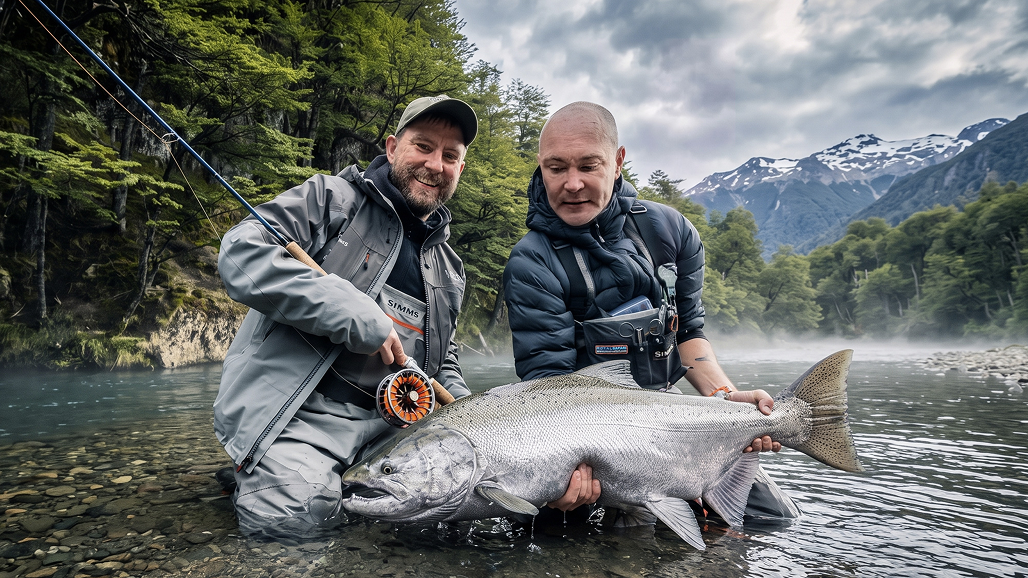
Peter Sonderegger and Igor Grigorenko
In Latin America, such assets remain more accessible than in mature markets, where small autonomous ranches and natural territories have already become a rare and expensive resource. We are convinced that the investments of the future will be valued not only by their returns, but also by the level of freedom, resilience, and quality of life they create.
An autonomous property in nature can simultaneously be an investment, a working business, and a place of power for the owner and his family. A measured pace of life, quality products, closeness to nature, and less dependence on urban infrastructure are increasingly becoming a conscious choice today, rather than a rejection of comfort.
"Success and happiness
are not the same thing. Capital growth is important, but the true value of an asset is also determined by the kind of life it allows you to build."
"Success and happiness are not the same thing. Capital growth is important, but the true value of an asset is also determined by
the kind of life it allows you to build."
What we do: We find and select the best off-market assets, reach out directly to owners, and negotiate acquisition terms.
Problem: The most attractive properties are often not available on the open market and are valued only within the local market.
Access to the best off-market assets


What we do: We implement professional management and financial control, and build a proven track record of revenue, costs, and profit.
Problem: The lack of an operating team, transparent accounting, and proven profitability discourages international investors.
Management and proven economics

What we do: We prepare the asset for the international market and execute the appropriate scenario — sale, long-term ownership, or further development under Land Capital's management.
Problem: Most local properties are acquired without a pre-planned strategy for capital return and growth.
Exit scenario

Key values of Puro Fuente
On an area of about 1 hectare, a boutique hotel is planned with separate bungalows, a spa center, a restaurant, and common spaces. Private villas will be built on the remaining territory. Owners will be able to use them for their own stay, and during vacant periods hand them over to professional management: the villas will be included in the overall room inventory and rented out short-term together with the hotel.
We are currently looking for an anchor investor to implement Puro Fuente El Calafate and for possible further participation in the development of the Puro Fuente network in other regions of Latin America.
The network's first project is being implemented in El Calafate, near Lake Argentino and the Perito Moreno Glacier. Land Capital has already acquired the first plot of land, developed the concept, and begun architectural and financial planning. To fully implement the project, a unified territory of at least 5 hectares needs to be formed. We have already found a legally and urban-planning feasible solution that allows combining the hotel and residential parts of the complex.
Puro Fuente is a network of premium boutique hotels and residences being created by Land Capital in the most beautiful natural locations of Argentina and other Latin American countries.
First project — Puro Fuente El Calafate
Puro Fuente — a network of boutique hotels and residences
Going forward, this model is planned to be developed in other unique locations across Latin America.
Puro Fuente El Calafate will be the network's first property
An investor can join the Puro Fuente El Calafate project or become a partner in the further development of the network in other regions.
Flexible participation format
El Calafate is one of the main international tourist destinations in Patagonia.
Rare natural location
Required project scale defined
A territory of at least 5 hectares allows the hotel and residential model to be fully implemented.
The first plot has been acquired, the concept has been formed, and design and financial planning have begun.
Project already launched
through land consolidation, design, construction, villa sales, and the launch of an operating business.
Capitalization growth builds up in stages:
Unified management system
The hotel, bungalows, and private villas form a shared room inventory and operate as a single complex.
The project's economics include the hotel, villa rental and sale, a spa center, a restaurant, wellness programs, and additional services.
Multiple income sources
Land with access to water is one of the few resources that cannot be reproduced or "printed."
Amid global inflation, growing debt burdens, and the continuous expansion of the money supply, real assets with physical scarcity acquire particular value.
Land with access to water is one of the few resources that cannot be reproduced or "printed." Large plots of land with their own water sources, natural resources, and the potential for autonomous development belong to the category of physically limited assets. Their value is determined not only by market conditions, but also by the uniqueness of the location, access to water, the quality of the land, and the number of possible usage scenarios.
A rare asset creates long-term value
142 000

people with liquid capital of $1 million or more change their country of residence every year
Real deals, land, and life in Argentina on our social media
Real deals, land, and life in Argentina on our social media
Land vs Gold/Bonds/RE/CPI — comparative performance and resilience
Patagonia Waterfront Land
Bonds
EU Real Estate
CPI
Gold
Argentina ranks among the world's three largest food exporters
Топ-3

higher than the world average freshwater availability in Latin America
x4

+72%

growth in the number of dollar millionaires in Costa Rica over 10 years
Мобильник и планшет блок 8 (Заголовок команда)
Management Team:
Let’s get acquainted
Transactions involving land and large-scale real estate include dozens of legal, regional, and investment-related nuances. We provide end-to-end project support — from asset selection to the structuring of ownership.
Мы сопровождаем проекты комплексно — от подбора актива до выстроенной структуры владения.
Сделки с землёй и крупной недвижимостью — это десятки юридических, региональных
и инвестиционных нюансов.
и инвестиционных нюансов.
Мобильник и планшет блок 9 (Карточки команды)
Director of Agricultural & Real Assets
Matías Kaderman
Spanish, English, Italian
Martillero Público — Licensed Real Estate Appraiser and Auctioneer
Specialisation:
Universidad Católica de Salta
Education:
Argentina
Citizenship:
Languages:
Responsible for asset strategy, local operations and the development of LandCapital’s portfolio in Argentina and Latin America.
Has experience in the acquisition, valuation and management of large land plots, farms and real estate assets for investment, agricultural and hospitality projects.
Entrepreneur with a strong focus on agricultural land and real assets.


Strategic Advisor
for Financial Structuring
for Financial Structuring
Peter Sonderegger
German, English, French, Spanish
Swiss Certified Wealth Manager (SFAA)
Specialisation:
University of Lausanne — Political Science
Education:
Switzerland
Citizenship:
Languages:
Founder of several companies and author of multiple books on finance and structuring, focused on creating bespoke international, financial and operational structures for corporations, start-ups and family offices worldwide.
Swiss Certified Wealth Manager with previous professional experience at Deutsche Bank, UBS and Siemens.
Has extensive experience in finance, investment structuring and international advisory.
Brand Ambassador and Representative for CIS Countries
Igor Grigorenko
Russian, Spanish, French, English, Portuguese
Lomonosov Moscow State University, Faculty of Economics
Education:
Costa Rica
Citizenship:
Languages:
Responsible for developing investor communications, partnership relations and LandCapital’s presence in CIS countries.
Acts as the public face of LandCapital, representing the company through video content, social media and international media in multiple languages, with significant practical experience in tourism, the hotel business and the creation of original television projects related to travel and lifestyle assets.
Entrepreneur and investment professional with strong media and international expertise.
Мобильник и планшет блок 8 (Заголовок команда)
Our specialists:
Мобильник и планшет блок 9 (Карточки команды)
Representative in Costa Rica
Carlos Chaverri
Representative in Paraguay
Carlos David Cabrera Rosas
Representative in Colombia
Diego Mauricio Taborda Osorio
Representative
in Buenos Aires
in Buenos Aires
Guillermo Linero Mace
Representative in Mendoza
Nicolás Catena
Land Capital Representative
in Neuquén
in Neuquén
Luis Alejandro Sepulveda
Director of Hunting Operations
Cristian Lazota
Legal Support
Attorney
Attorney
Virginia Zapata
Accountant
Mariano Haksik
Photographer, designer
German Serotti
Architect
Mariano Musacchio
Administrator
Ariel Aelion
This approach helps create antifragile assets that retain their practical and investment value under different global development scenarios.
We consider different scenarios: generating income, business development, personal use, capital preservation, passing on to the next generation, or price arbitrage between local and international markets.
We combine expertise in real assets, investment structuring, management, and international promotion. This allows us to look at a property as a system in which land, natural resources, infrastructure, an operating business, and long-term investment value can all come together.
Let's get acquainted
Director of Agricultural & Real Assets
Matías Kaderman
Spanish, English, Italian
Martillero Público — Licensed Real Estate Appraiser and Auctioneer
Specialisation:
Universidad Católica de Salta
Education:
Argentina
Citizenship:
Languages:
Responsible for asset strategy, local operations and the development of LandCapital’s portfolio in Argentina and Latin America.
Has experience in the acquisition, valuation and management of large land plots, farms and real estate assets for investment, agricultural and hospitality projects.
Entrepreneur with a strong focus on agricultural land and real assets.
Strategic Advisor
for Financial Structuring
for Financial Structuring
Peter Sonderegger
German, English, French, Spanish
Swiss Certified Wealth Manager (SFAA)
Specialisation:
University of Lausanne — Political Science
Education:
Switzerland
Citizenship:
Languages:
Founder of several companies and author of multiple books on finance and structuring, focused on creating bespoke international, financial and operational structures for corporations, start-ups and family offices worldwide.
Swiss Certified Wealth Manager with previous professional experience at Deutsche Bank, UBS and Siemens.
Has extensive experience in finance, investment structuring and international advisory.
Brand Ambassador and Representative for CIS Countries
Igor Grigorenko
Russian, Spanish, French, English, Portuguese
Lomonosov Moscow State University, Faculty of Economics
Education:
Costa Rica
Citizenship:
Languages:
Responsible for developing investor communications, partnership relations and LandCapital’s presence in CIS countries.
Acts as the public face of LandCapital, representing the company through video content, social media and international media in multiple languages, with significant practical experience in tourism, the hotel business and the creation of original television projects related to travel and lifestyle assets.
Entrepreneur and investment professional with strong media and international expertise.
Administrator
Ariel Aelion
Architect
Mariano Musacchio
Accountant
Mariano Haksik
Legal Support
Attorney
Attorney
Virginia Zapata
Land Capital Representative in Neuquén
Luis Alejandro Sepulveda
Director of Hunting Operations
Cristian Lazota
Photographer, designer
German Serotti
Representative in Mendoza
Nicolás Catena
Representative in Buenos Aires
Guillermo Linero Mace
Representative in Costa Rica
Carlos Chaverri
Representative in Paraguay
Carlos David Cabrera Rosas
Representative in Columbia
Diego Mauricio Taborda Osorio
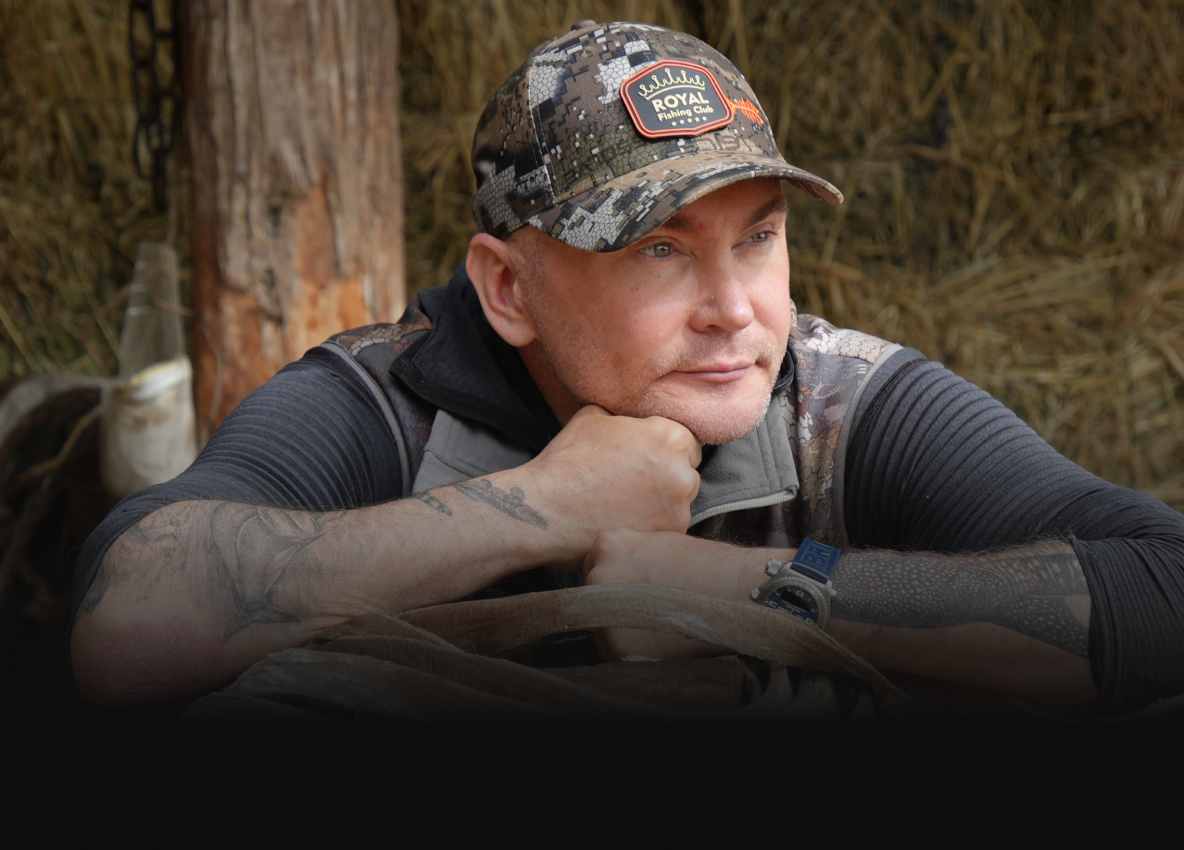
Brand Ambassador
Contacts
Igor Grigorenko
igor@royal-safari.com
+7-985-767-09-00
Мобильник и планшет блок 11 (Карта)
igor@royal-safari.com
+7-985-767-09-00
Igor Grigorenko
Brand Ambassador
We have the answers
Do you have any questions?
Yes. Foreign nationals have the right to purchase land in Argentina, including Patagonia. There are restrictions on plots in border areas and near water resources; however, most investment transactions are structured legally and transparently with the assistance of local attorneys. This is one of the reasons why Argentina is considered one of the most attractive jurisdictions for land investment.
We work with real estate assets valued at $500,000 or more. This threshold was chosen deliberately: it is at this level that investment properties become attractive in terms of scale, location quality, and long-term strategy. In addition, investments of $500,000 or more are considered the minimum threshold under the new Argentine citizenship-by-investment program.
Yes. The purchase of land includes the right to build in accordance with current zoning regulations. The land plots are used for the construction of private residences, country homes, villas, as well as small hotel and tourism projects. The project is designed by a local architect and submitted to the municipality for approval; the approval timeline depends on the location and the project’s specifications.
On average, the purchase process takes between 1 and 3 months and includes a legal review of the property, the registration of title, and settlement of payments between the parties. Transactions are typically denominated in U.S. dollars; alternative forms of payment are possible by mutual agreement of the parties.
Argentina combines unique natural resources, low population density, and the opportunity to purchase large tracts of land. Here, land is viewed not only as a way of life surrounded by nature, but also as a strategic asset for long-term capital preservation.
Unlike Europe or the United States, Argentina allows investors to purchase large tracts of land in picturesque and sparsely populated regions at more affordable prices. At the same time, investors gain flexibility in how they use the land and the opportunity to establish a long-term presence in the country.
Yes. Each parcel of land is treated as a separate business asset. We evaluate its legal structure, investment potential, possible development scenarios, and exit strategies—including resale, development, or a change in land tenure—with the aim of increasing the asset’s total value.
We focus on large land assets in natural settings with confirmed title, access to water, and a clear rationale for future use. When selecting sites, we evaluate not only their current characteristics but also their potential for scaling, subdivision, or project development. This approach allows us to build assets with long-term investment value, rather than simply owning land.
We do more than just identify and facilitate transactions. Each property undergoes an investment and legal analysis and is treated as a separate project with potential development scenarios. In addition, we help establish an asset management structure—from selecting specialized managers and defining an operational model to providing support during the initial stages. This approach allows investors to avoid typical risks and pitfalls, especially in the agricultural and natural resources sectors, where starting “from scratch” without local expertise often proves to be difficult and costly.
Yes. Most of the properties in our portfolio come from private sources and are not listed in public databases. These are large land assets owned by private families and offered for sale through confidential channels. This approach allows us to negotiate more favorable terms and consider properties with high investment potential that rarely appear on the open market.
We source land assets throughout Argentina—both in unique natural settings and in key agricultural regions. Our coverage includes Tierra del Fuego and southern Patagonia (Santa Cruz, Chubut), northern Patagonia (Río Negro, Neuquén), and the Andes region (Mendoza, San Juan, San Luis). We also work with fertile areas in the Central Region and the Pampas (Buenos Aires, Córdoba, Santa Fe, La Pampa) and the Litoral region / Paraná and Uruguay River basins (Entre Ríos, Corrientes, Misiones, Chaco, Formosa)—including projects in crop and livestock farming. For projects with a strong natural component and tourism focus, we also consider the Northwest (Salta, Jujuy, Tucumán, Catamarca, Santiago del Estero). The specific region is selected based on the investment objective, the holding horizon, and the monetization model.
The choice of region begins with the investment objective. For agricultural projects, we focus on soil fertility, access to water, logistics, and existing agricultural infrastructure. For projects related to tourism and lifestyle concepts, the key factors are the area’s natural value, the uniqueness of the landscape, and the potential for long-term growth. In each case, the region is selected not “on a map,” but based on a specific land-use model, the holding horizon, and a strategy for increasing the asset’s value.
Provincia Santa Cruz, El Calafate
AVDA 17 DE OCTUBRE 2248 - DEPTO: 2-MZ: M 437- PARK:1
El Calafate - CP: 9405
AVDA 17 DE OCTUBRE 2248 - DEPTO: 2-MZ: M 437- PARK:1
El Calafate - CP: 9405
Building your lifestyle together:



Mobility & Off-Road



Private Aviation & Executive Mobility


Terroir & Private Access